Nearly 40% of MyKibbe users who submit reports requesting Soft Natural wind up scoring Soft Classic instead — and the reverse happens just as often. Still true. It’s one of the most common mix-ups on the platform, and honestly? Understandable. Both types share soft, rounded flesh and an overall gentle impression. But the bone structure underneath tells a completely different story, and that’s where soft natural vs soft classic gets interesting.
Quick Answer: Soft Natural has a wide, slightly irregular bone structure with a blunt, broad frame. Soft Classic has a symmetrical, moderate bone structure with balanced proportions. Both carry soft flesh overlay, but SN dresses for width and ease while SC dresses for balance and refinement.
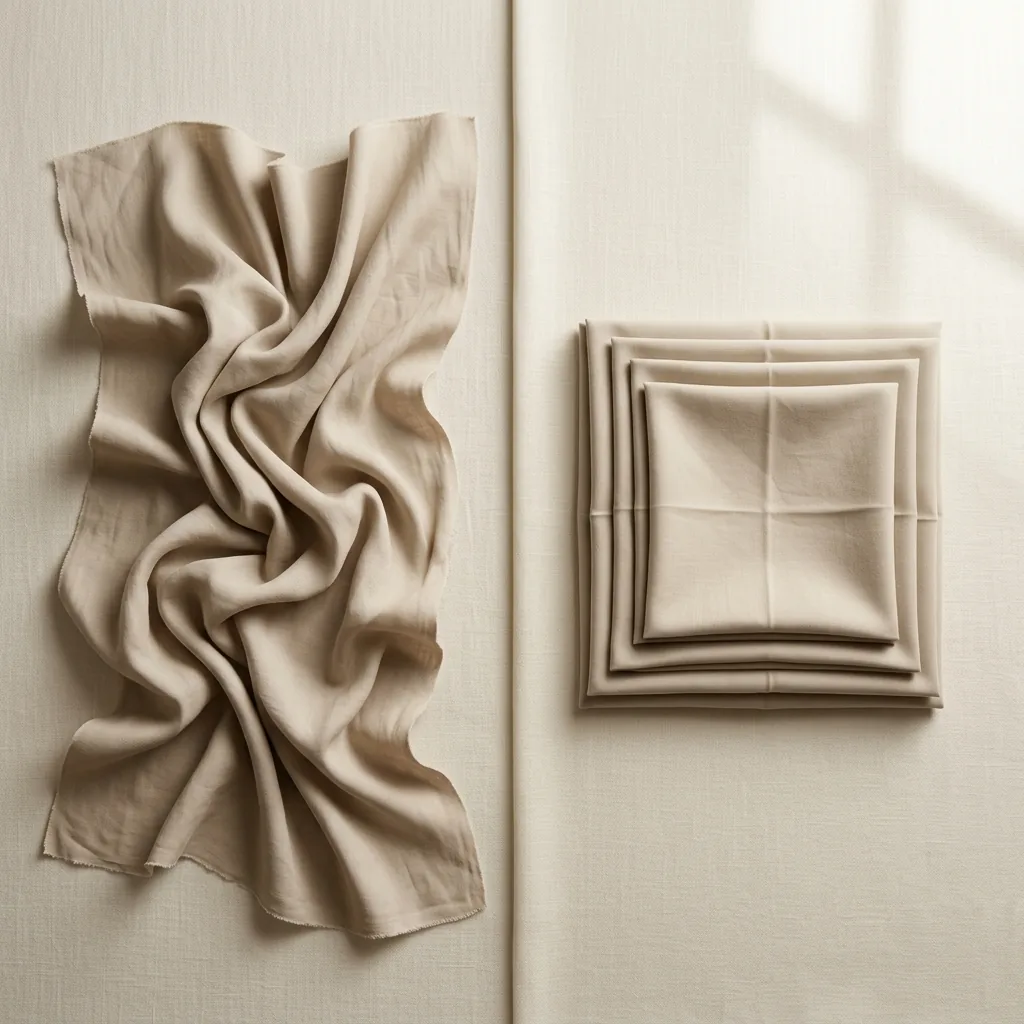
1. Bone Structure: Wide and Blunt vs. Balanced and Even
This is the root of everything. Soft Natural bone structure is wide — broader shoulders, a wider rib cage, and a blunt, slightly angular quality even under all that softness. It’s not the sharp angularity of a Dramatic, but there’s an undeniable breadth to the frame. Depends. Think of it as a wide canvas.
Soft Classic bone structure is moderate in every direction. It tracks. Shoulders aren’t especially wide or narrow. The frame isn’t tall or petite. Everything sits in proportion to everything else — symmetrical, even, almost architecturally balanced. It’s the definition of the “golden ratio” body in Kibbe’s system.
Concrete example: A Soft Natural might notice her shoulders visibly extend past her hips when she looks in the mirror straight-on. A Soft Classic would see her shoulders and hips sitting at roughly the same width, creating that neat hourglass impression without any single feature pulling focus.
The mistake most people make: they clock the soft flesh and just stop there, completely missing the skeletal story underneath.
2. Silhouette and Lines: Relaxed Ease vs. Fitted Structure
Soft Natural’s answer to dressing is ease. The body needs room — not because it’s large, but because the wide frame and soft flesh together create a figure that fights back against fitted, structured tailoring. Clothes that grip too tightly look strained. Same story. The SN silhouette thrives in relaxed, slightly oversized shapes with natural waist definition (not cinched, just suggested).
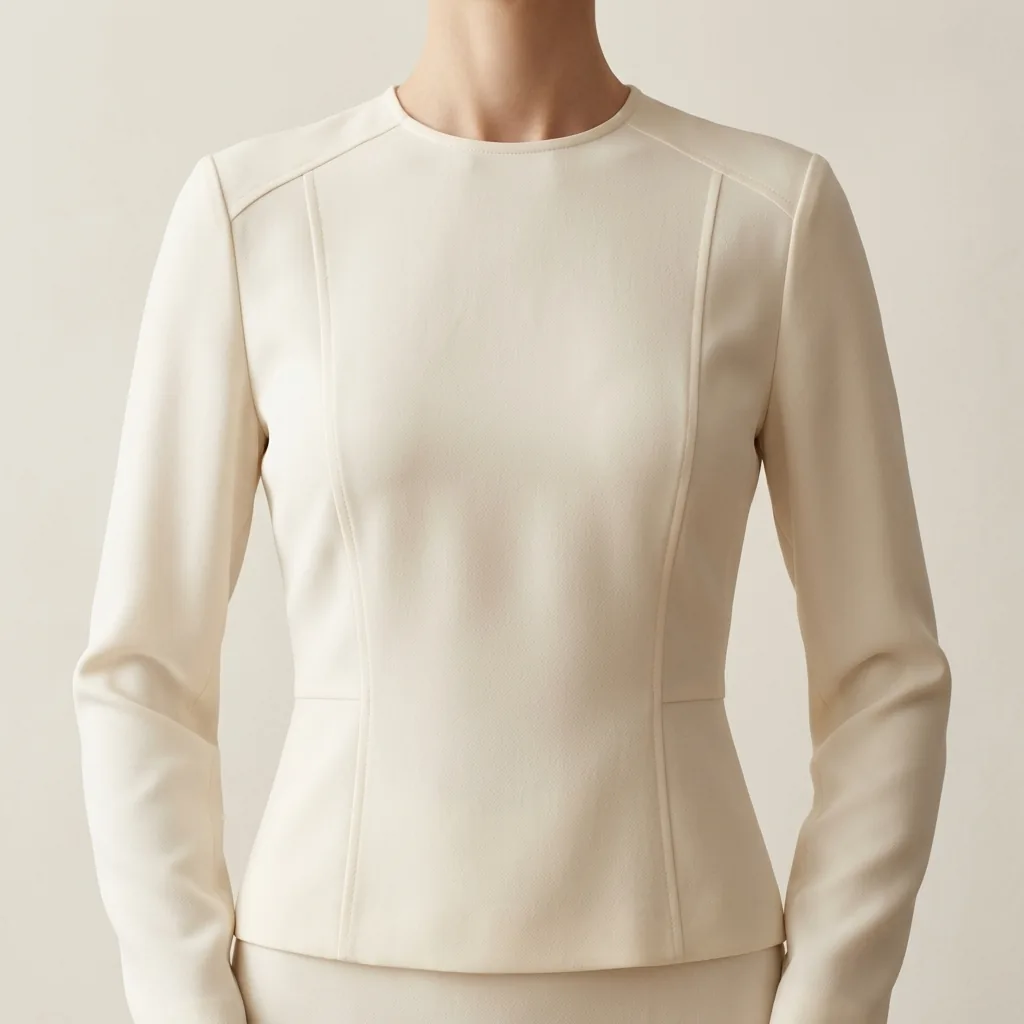
Soft Classic needs genuine fit. True for most. The balanced proportions mean clothes that are too loose read as shapeless immediately. No dramatic bone structure to create visual interest on its own. SC looks best in fitted, tailored pieces that honor the waist and skim the body without clinging. Think classic wrap dress, a well-cut blazer, a sheath with stretch.
- SN works: boyfriend blazers, wrap tops with room, wide-leg trousers, flowy midi skirts
- SC works: tailored sheath dresses, fitted wrap dresses, structured blouses tucked into straight-leg trousers
- Both fail in: boxy minimalism (kills SN’s softness, kills SC’s waist) and ultra-bodycon (overwhelms SN’s width, looks try-hard on SC’s moderate frame)
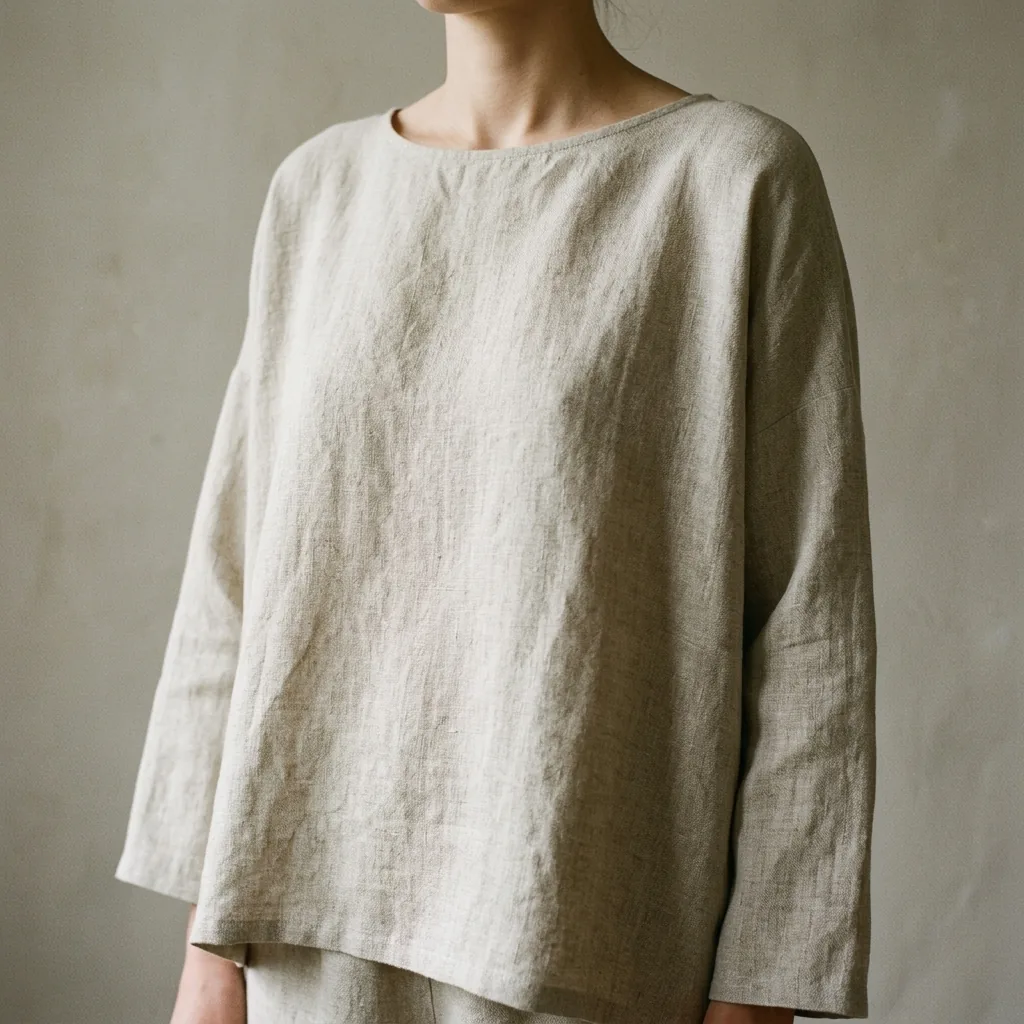
3. Fabric, Texture, and Detail: Tactile vs. Refined
“Soft Natural is dressed by texture. Soft Classic is dressed by cut.”
That pull quote basically summarizes years of Kibbe styling advice in one sentence.
Soft Natural craves tactile, organic fabrics — linen that wrinkles, chunky knits, suede, raw silk, denim with some weight to it. Texture adds to the SN aesthetic. Simple. It reinforces that relaxed, earthy, slightly bohemian quality the type naturally radiates — embroidery, fringe, crochet, natural prints — all at home here.
Soft Classic reads best in fabrics that have polish without stiffness. Matte jersey, ponte, silk charmeuse, wool crepe. Worth it. Nothing too stiff (structured wool suiting can overwhelm the moderate frame), nothing too casual (linen in a sack shape loses the waist entirely). Details should be refined — a subtle pleat, a delicate neckline, small-scale print, tonal tones.
Concrete example: A chunky cable-knit sweater styled with wide-leg jeans and ankle boots? Peak Soft Natural. On a Soft Classic, that same sweater likely swamps the frame and reads messy (I’ve watched this exact scenario play out in fitting rooms more times than I can count). SC’s version: a fine-gauge merino fitted turtleneck, straight-leg trouser, kitten heel.
4. The Confusion Points — and How to Finally Tell Them Apart
Here’s where people get stuck. Worth it. Both types are “soft.” Both look good in wrap silhouettes. Both have curves. So what actually separates them?
Width. Stand in front of a mirror and look at your shoulders relative to your hips. If your shoulders are clearly broader, or if your frame reads wide from any angle, lean SN. If everything looks balanced and proportional, lean SC.
Response to structure. Try on a fitted, structured blazer — the kind with shoulder seams that sit exactly at your shoulder joint and a nipped waist. If it looks polished and finished, SC. If it looks slightly off, stiff, or like it’s fighting your frame, SN.
Response to ease. Now try an oversized linen button-down half-tucked into wide-leg trousers. If it looks effortlessly cool, SN. If it looks like you raided your partner’s wardrobe by accident, SC.
Checklist: SN or SC?
- [ ] Shoulders visibly wider than hips → SN
- [ ] Shoulders and hips roughly equal width → SC
- [ ] Structured blazers look stiff or strained → SN
- [ ] Structured blazers look polished and finished → SC
- [ ] Oversized ease looks intentional → SN
- [ ] Oversized ease looks shapeless → SC
- [ ] Craves texture and organic fabrics → SN
- [ ] Craves polish and refined fabrics → SC
No single checkbox decides it. Look at the pattern across all of them.
FAQ
Can a Soft Natural wear tailored pieces?
Yes — but the tailoring needs to be relaxed, not rigid. Think unstructured blazers, soft-shouldered jackets, and pants with a wider leg. Sharp, stiff suiting typically fights the SN frame.
Can a Soft Classic wear flowy, relaxed styles?
Occasionally, but the waist needs to stay visible. A flowy midi skirt works if it’s paired with a fitted top. Full oversized looks tend to erase SC’s defining balanced proportions.
Is Soft Natural always taller than Soft Classic?
No. Height isn’t a defining factor for either type in Kibbe’s system. Both can appear across a range of heights, though SN’s broader frame can sometimes read as more statuesque.
Why do so many people mistype themselves between these two?
Both types share soft flesh overlay, which is visually dominant. Most people identify the softness and stop there, without examining the underlying bone structure — specifically shoulder width and overall frame balance.
Do both types suit the same color palette?
Not necessarily. SN often suits warmer, earthier, more saturated tones that echo the organic aesthetic. SC typically looks polished in classic, refined palettes — navy, ivory, burgundy, camel — though individual coloring always plays a role.
The fastest way to stop second-guessing your type is to get a structured analysis rather than mirror-checking alone — if you’re still sitting somewhere between these two, the AI analysis at mykibbe.com/analyze/ factors in your full set of answers — not just the ones that feel most obvious. Simple. Over 3,400 reports in, the patterns are clear.
Editor’s Note
Eight years of watching this debate play out in comment sections has taught me one thing: most people agonizing over Soft Natural versus Soft Classic are actually already dressing closer to one than the other — they just haven’t named it yet. The real friction isn’t the theory, it’s that both types share that word “soft,” which makes women assume the silhouettes are nearly interchangeable when the underlying geometry is genuinely distinct. What I find fascinating is how often someone will describe their wardrobe — “I always reach for flowy fabrics but structured shoulders feel wrong on me” — and the answer is sitting right there in their own words. So I’m curious: if you set the labels aside entirely and just described what you *actually* wear on your most comfortable days, which type does your closet seem to already know you are?
Okay so I’ve been going back and forth between these two types for literally months and this finally clicked something for me. I’m in Atlanta and my friend group has two of us who look almost identical on the surface but I always feel *off* in the outfits she pulls off effortlessly. The draping vs. structure breakdown was the lightbulb moment — I’m defintely going to stop reaching for those tailored blazers and try softer, unconstructed layers instead. Do you think fabric weight matters as much as silhouette here?