Ever stood in front of your closet convinced you’re a Natural, but something about the recommendations just doesn’t land? Not always. The gap between Flamboyant Natural and Natural in the Kibbe system is subtle enough to cause real confusion — and getting it wrong means dressing for a silhouette that fights your actual frame. Here’s how to read the differences clearly, so your clothes finally work with you instead of against you.
Quick Answer: Flamboyant Natural has more vertical (height/length) and sharper yang energy, while Natural is softer and more moderate. FN frames tend to be broader and longer-boned; pure Naturals are slightly smaller-scaled with a blunter, earthier feel. Both need relaxed, unconstructed clothing — but FN needs more room and length.
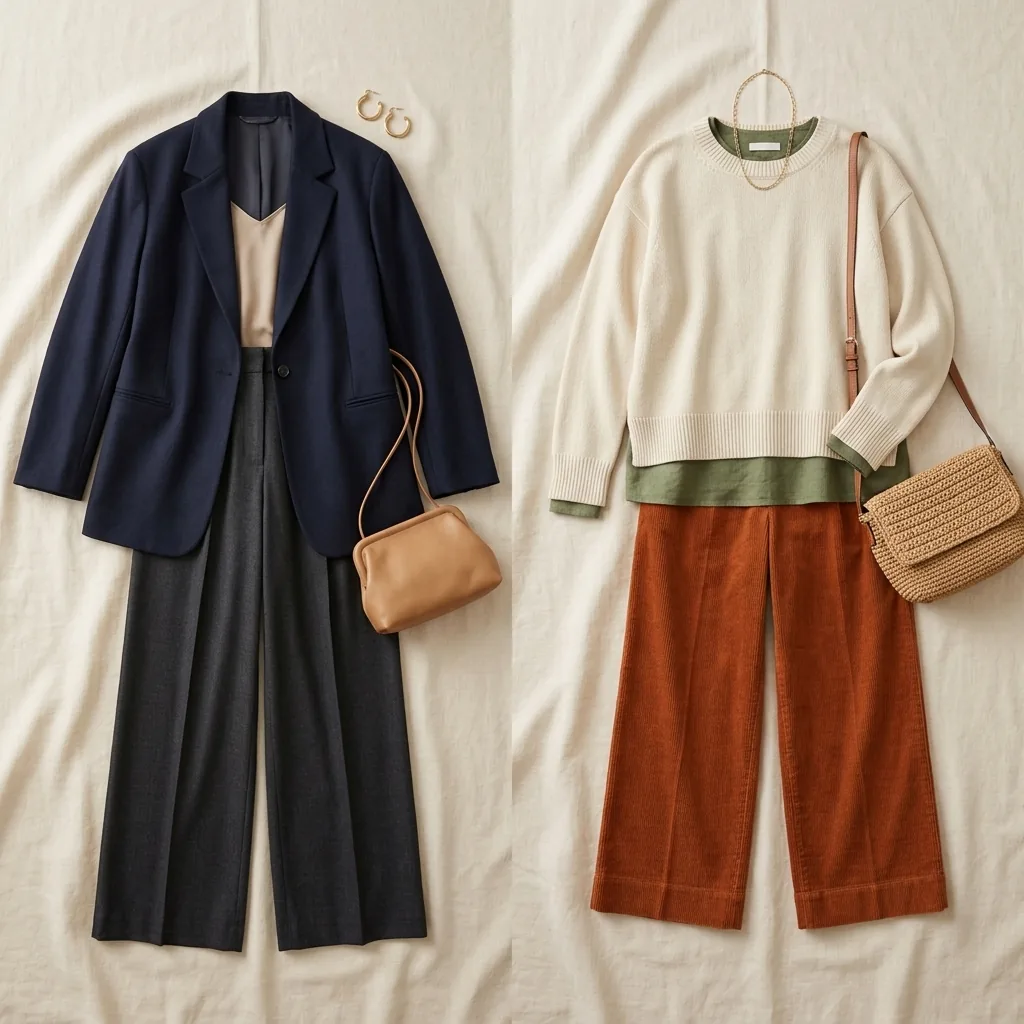
1. Bone Structure: The Real Starting Point
This is where the split happens. Flamboyant Natural bones are wide, long, and assertive. Think broad shoulders, wide hands, and a frame that genuinely takes up horizontal and vertical space. Simple. The overall impression is large-scale — not heavy, just expansive.
Natural bones are also wide and blunt, but more moderate. The shoulders are broad but not dramatically so, the hands and feet are average-to-large without being striking, and the overall scale sits somewhere in the middle. Less “fills the room,” more “comfortably grounded.”
A useful mental test: imagine the skeleton without any flesh. Same story. FN skeletons look long and wide simultaneously — natural skeletons look wide and sturdy, but the length isn’t the first thing you notice.
Celebrity shorthand: Blake Lively (FN) versus Jennifer Aniston (Natural). Both have that relaxed, unconstructed energy — but Lively’s frame reads longer and more dramatic even in a plain white tee.
Stats Card
Based on 3,400+ MyKibbe user reports, Natural is the second most commonly misidentified type (after Soft Natural). FN and N are confused with each other in roughly 1 in 5 dual-type reports where users initially self-typed.
2. Silhouette and Clothing Fit: Where the Differences Get Practical
Both types need unconstructed, relaxed clothing. Fitted, boxy, or heavily tailored pieces create the same stiff, “wearing a costume” effect on either frame. But the degree of ease and the scale of the garment diverge noticeably.
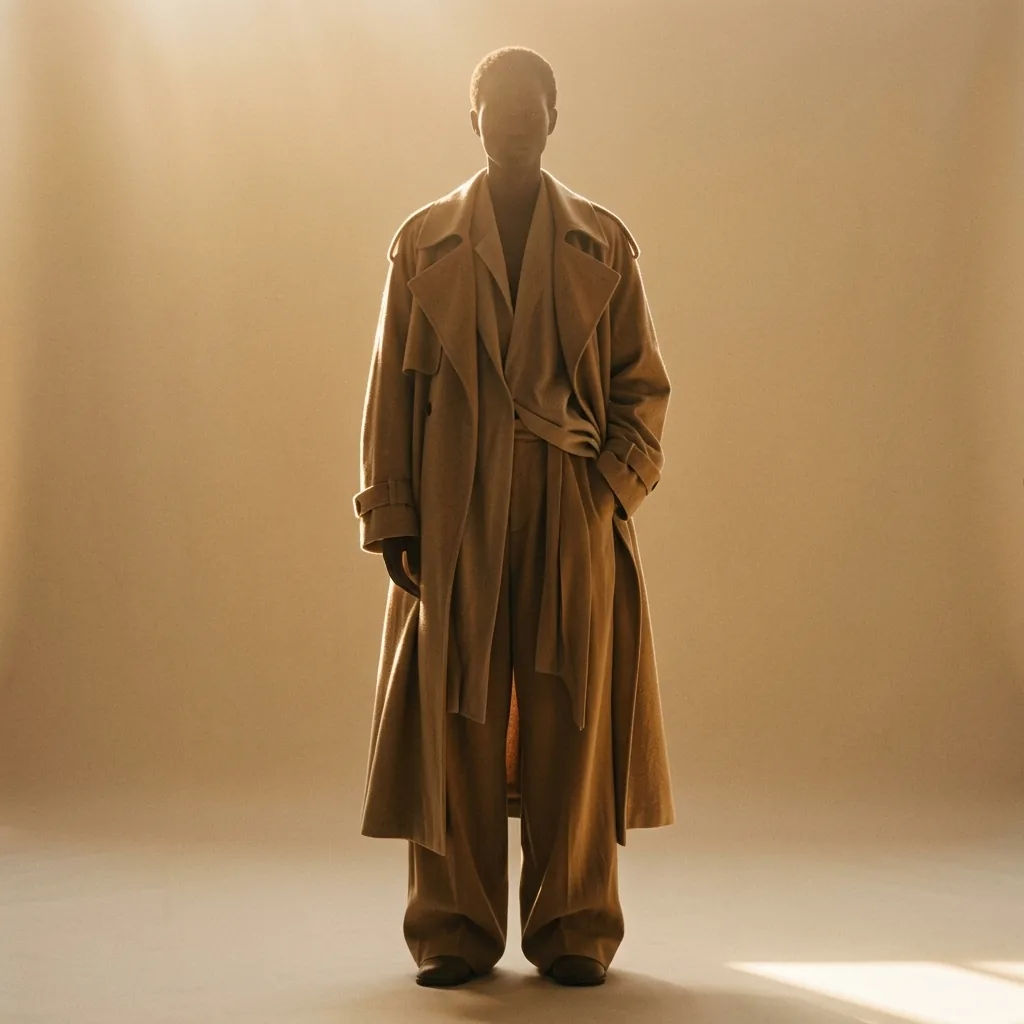
FN needs generous cuts and substantial fabric. A flowy midi skirt that looks effortless on an FN can overwhelm a pure Natural — it’s simply too much volume for a smaller-scaled frame. FN also benefits from long, open lines: duster coats, wide-leg trousers with a long inseam, oversized blazers worn open.
Natural works best with softer, more moderate proportions. The same relaxed principle applies, but the scale dials back. Cropped wide-leg pants, a roomy boyfriend shirt tucked loosely at the front, a midi dress with gentle drape — these hit the sweet spot without drowning the frame.
The tell: put an FN in a cropped jacket and it reads awkward, cutting the line. It tracks. Put a Natural in a floor-length duster and it often reads heavy and shapeless — (I’ve watched this exact thing happen in dressing rooms more times than I can count.)
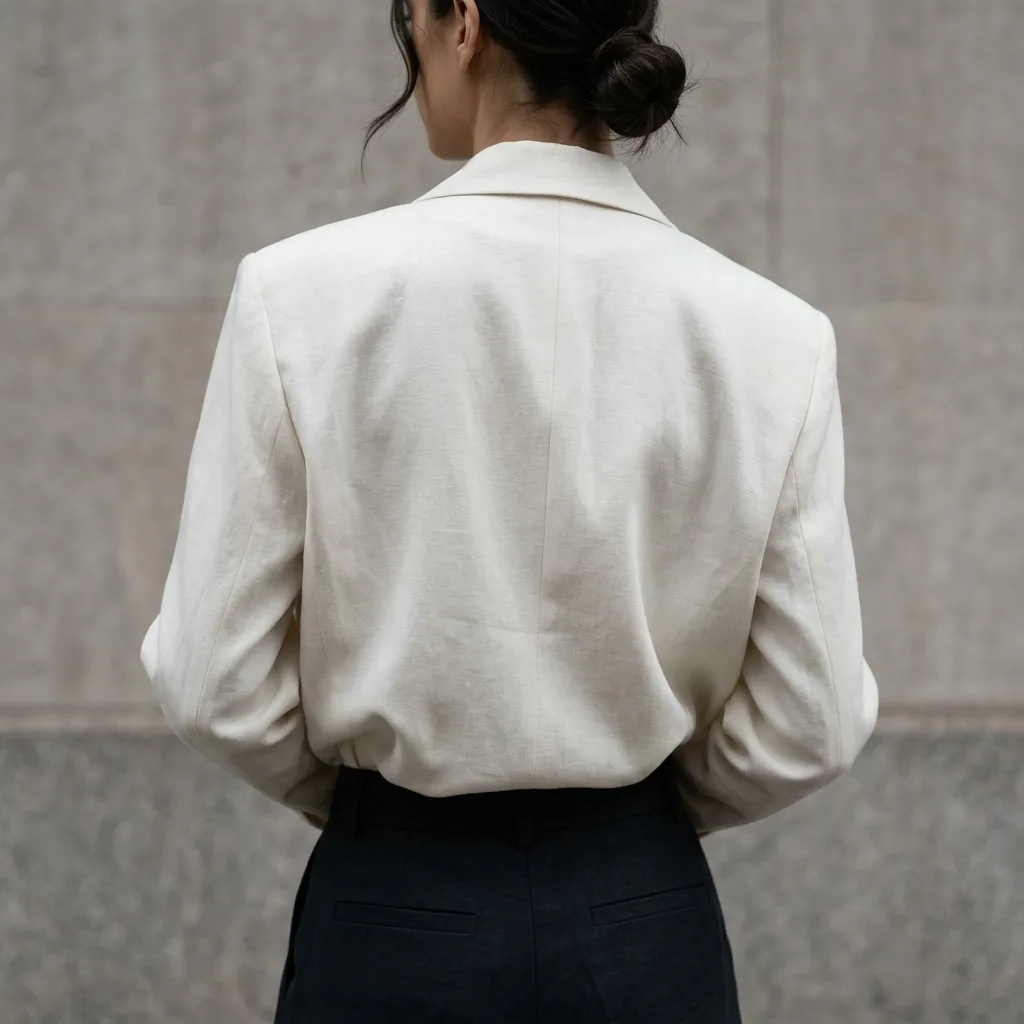
3. Texture, Fabric, and Detail: Yang vs. Soft Yang
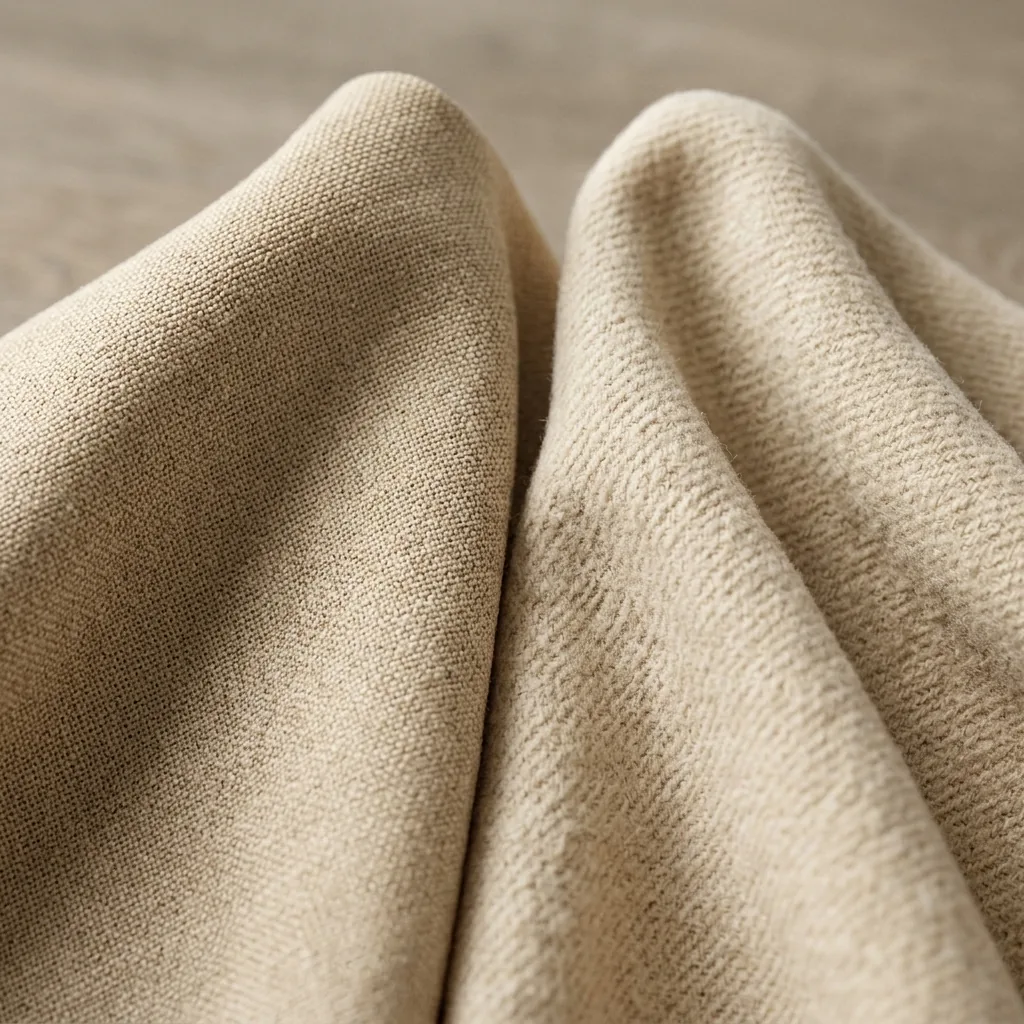
Both Natural types favor natural fibers and tactile, organic textures — linen, raw silk, soft denim, worn leather. Here’s the thing. That’s a shared foundation. The difference is in weight and boldness.
FN can handle heavier, more substantial fabrics. Thick wools, structured knits, heavy canvas. Details can be larger and bolder: big patch pockets, wide lapels, chunky hardware. The frame is strong enough to carry it without being overwhelmed.
Natural gravitates toward softer, lighter versions of those same textures. Gauzy linen rather than heavy canvas. Smaller, more organic details — a simple wooden button, a gentle ruffle, subtle fringe. Too much visual weight and the Natural’s earthier, quieter energy just disappears.
Think of it as the difference between raw denim and washed denim. It tracks. Both are denim. One has more presence.
4. Common Mistyping Mistakes (And How to Catch Them)
The confusion between FN and N is real, and it usually comes down to a few recurring errors:
Mistakes that push Naturals toward FN:
– Overestimating shoulder width because they’re broader than a Romantic or Classic
– Assuming height automatically means FN (it doesn’t — plenty of Naturals are 5’7″+)
– Conflating “I look good in oversized clothes” with FN specifically
Mistakes that push FNs toward Natural:
– Underestimating their own frame because they’ve spent years minimizing it
– Dismissing the vertical line because they’re not model-tall
– Assuming that because they’re “curvy,” they can’t be FN
The biggest single mistake? Here’s the thing. Using style preference as a proxy for type. If you love delicate jewelry and soft colors, that’s personal taste — not proof you’re a Natural over an FN. Kibbe is about physical accommodation, not aesthetic mood.
A good reset: look at photos from five years ago when you weren’t dressing intentionally for your type. It tracks. What silhouettes looked effortless versus stiff? That’s usually more honest than what you wish your type was.
FAQ
Is Flamboyant Natural taller than Natural?
Not always. FN tends toward height, but the defining factor is large-scale bone structure — width and length together. A 5’6″ woman with broad, long bones can be FN. Height alone doesn’t determine it.
Can a Natural wear the same clothes as an FN?
Some overlap exists, but scale matters. FN needs more length and volume. Natural needs the same relaxed construction but in more moderate proportions — cropped where FN goes long, lighter where FN goes heavy.
Do both types suit the same color palette?
Broadly yes — both tend toward earthy, muted, organic palettes. But FN can carry bolder contrast and richer depth. Natural often looks best in softer, more blended tones without sharp color blocking.
What’s the main physical difference between FN and N?
Vertical line. FN has strong vertical in addition to horizontal width. Natural has the width and bluntness but without that dramatic length running through the frame. The FN frame feels expansive; Natural feels grounded.
I’m petite but broad-shouldered. Can I be FN?
It’s less common but possible. Kibbe’s FN does skew toward larger-scale frames. If you’re petite, Soft Natural or Natural is statistically more likely — but bone structure quality matters more than overall size.
If you’re still on the fence (yes, really), the most efficient next step is running your measurements and photos through a structured analysis. MyKibbe’s analyzer at mykibbe.com/analyze/ pulls from thousands of verified reports to give you a data-backed result rather than a best guess. Same story. Two types that look similar on paper often become obvious once your actual proportions are in the picture.
Editor’s Note
Eight years of sorting through comment sections has taught me one thing: the FN vs N confusion trips people up more than almost any other pair, and I’d argue it’s because most of us were taught to look for “yang” in the wrong places — bone structure, height, even personality. What I keep seeing, though, is that the real differentiator shows up in how clothes *behave* on the body, not how the body looks on paper. An N can read as quite striking in person, yet structured tailoring still feels like a costume. An FN in the same blazer looks like she chose it deliberately. The type isn’t about being “more” or “less” — it’s about a specific tension in the frame that either exists or doesn’t. What’s been the moment that finally made it click for you?
Okay so I’ve been going back and forth on this for MONTHS. I’m in Nashville and literally pulled out a mirror after reading this to check my bone structure again. The bit about vertical line vs. width accommodation finally clicked for me — I think I’ve been dressing for FN when I’m actually an N, which explains why those sharp-shouldered blazers always feel like too much. My concrete plan: stop fighting the “blunt” recommendations and lean into them. Also, is underbust waist emphasis actually okay for N or is that more FN terratory?