Ever stared at a Kibbe chart and thought, okay, but what does this actually look like on a real person? You’re not alone. With 3,400+ body analyses run through MyKibbe, the single biggest sticking point for beginners is translating abstract descriptions—”yin undercurrent,” “sharp yang lines”—into something visual. This guide cuts through that by pairing each of the 13 Kibbe body type examples with one celebrity who consistently dresses the type, so you can finally see the difference instead of just reading about it.
Quick Answer: The 13 Kibbe body types span a spectrum from pure Yang (Dramatic) to pure Yin (Romantic), with blended types in between. Each type has a distinct combination of bone structure, flesh, and facial features—best understood by studying celebrities who embody them in real red-carpet looks.
The Yang End of the Spectrum: Dramatic and Soft Dramatic
Yang types lead with angles, length, and sharp definition. Dramatic is the most extreme—think long, narrow bones with virtually no curve. Same story. Cate Blanchett is the go-to example. Pull up any Met Gala photo of her in a column gown and you’ll notice how the clean vertical line of the silhouette disappears into her frame rather than fighting it. That’s the Dramatic at work: the body needs bold, unbroken lines. Not waist emphasis. Not ruffles that interrupt the length.
Soft Dramatic adds a yin overlay—curves arrive, but the underlying frame stays large and angular. Beyoncé is frequently cited here. Her bone structure is wide-shouldered and elongated, but her flesh is lush. Outfits that honor both (think structured bodices with draped skirts) hit differently than ones that only chase the curves or only chase the angles.
Common beginner mistake: assuming Dramatic means “tall.” Height helps, but it’s the sharpness and narrowness of the bone structure that defines the type—not the number on your license.
The Middle of the Spectrum: Classic and Gamine Families
This is where most people get confused, because “balanced” sounds boring—it isn’t.
Classic types have symmetrical, moderate everything: moderate bone structure, moderate curves, moderate facial features. Think of it as the body that looks effortlessly polished in tailoring. Carolyn Bessette-Kennedy is the textbook Soft Classic. Every photo of her in a minimalist slip dress or clean blazer shows why Classics look best when nothing is overdone—no dramatic shoulders, no extreme volume, just refined proportion.
Dramatic Classic (DC) and Soft Gamine (SG) are basically the overachievers of the system: small, compact frames with a mixture of sharp and delicate features. Audrey Hepburn is Classic Gamine territory—petite, angular bone structure, doll-like facial features. Her iconic Givenchy shifts worked because they respected her sharpness without drowning her small frame in fabric.
Soft Gamine adds more curve and softness to that compact package. Zooey Deschanel gets cited here often—notice how she gravitates toward playful, fitted pieces that honor both the petiteness and the softness simultaneously. (I’ve watched this get misread in dressing rooms more times than I can count—people pile on volume thinking it reads “fun” when it just reads “swamped.”)
### 📊 Stats Card
Based on 3,400+ MyKibbe analyses:
– 22% of users identify as Soft Natural
– 18% identify as Soft Classic
– Dramatic and True Romantic are the least common results, each under 6%
– Most misidentified pairing: Soft Dramatic vs. Theatrical Romantic
The Yin End: Romantic and Theatrical Romantic
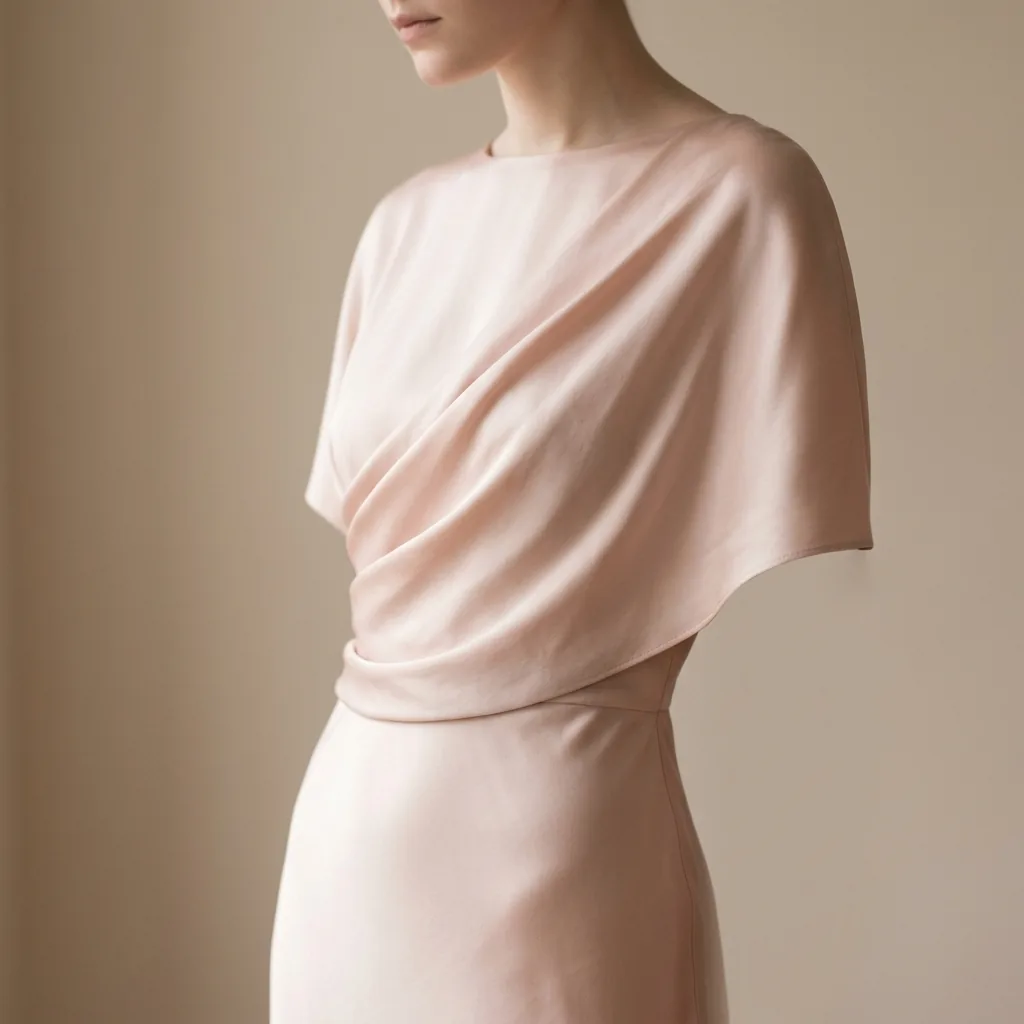
Pure Yin is all curve, softness, and lushness—and it’s the most misunderstood end of the spectrum, mostly because it gets tangled up with body size. True Romantic is about structure, not weight. Skip that. The bones are small and rounded, the flesh is soft and full, the facial features are large and doe-like. Marilyn Monroe is the canonical example. Look at her in Some Like It Hot—every fitted, curved silhouette she wore amplified her frame’s natural language instead of streamlining it.
Theatrical Romantic (TR) introduces a slight yang sharpness—usually in the facial features or bone structure—into an otherwise very yin package. Salma Hayek gets placed here frequently. She has Monroe-level curves but sharper, more dramatic facial architecture. TR dressing honors that contrast: soft fabrics, yes, but with a little more structure or a defined waist detail that the pure Romantic can skip.
The biggest mistake with Yin types: dressing them in oversized, shapeless pieces to “flatter” curves. It does the opposite. Yin types need their curves acknowledged, not hidden.
The Natural Family: Where Most People Actually Land
Naturals are the system’s most populous neighborhood—and honestly the most underserved in Kibbe content, probably because “natural” sounds like a non-answer. It isn’t.
Flamboyant Natural (FN) has a wide, athletic frame with blunt, broad bone structure and a slightly yin overlay of flesh. Sandra Bullock is a solid FN example. Her best red-carpet looks share a common thread: relaxed, unconstructed silhouettes with horizontal detail and easy movement. Stiff tailoring fights her frame; drapey, wide-cut pieces work with it.
Soft Natural (SN) is the most common result in MyKibbe’s dataset (22% of users). The frame is moderate-to-wide with soft curves—less angular than FN, more rounded. Think Jennifer Aniston in her off-duty looks: relaxed, slightly oversized but not shapeless, with gentle waist suggestion rather than cinching.
Pure Natural sits between the two, with balanced moderate-wide bones and minimal curve. The prescription is similar: avoid rigid structure, avoid extreme volume, let the fabric move.

FAQ
What are the 13 Kibbe body types in order?
From most Yang to most Yin: Dramatic, Soft Dramatic, Flamboyant Natural, Natural, Soft Natural, Dramatic Classic, Classic, Soft Classic, Flamboyant Gamine, Gamine, Soft Gamine, Theatrical Romantic, Romantic.
Can I be two Kibbe types at once?
No. Each person has one type, though your features may feel like a blend. That tension is usually resolved by looking at bone structure first—it anchors the type more reliably than flesh or facial features alone.
Why do so many celebrities get mistyped online?
Mostly because people type by vibes or aesthetics, not structure. A Soft Dramatic in a maximalist gown looks Romantic, but the underlying bone structure tells a different story.
Does Kibbe type change with weight loss or gain?
No. Your bone structure doesn’t change. Weight shifts can affect how yin or yang your flesh reads, but your underlying type stays constant.
Is Kibbe only for certain body sizes?
No—every type exists across a full range of sizes. The system describes structural relationships, not measurements. A Romantic at a size 4 and a size 18 share the same bone and curve language.
If you’ve been mentally placing yourself in two or three types and still aren’t sure, a structured analysis removes the guesswork. Run your own report at mykibbe.com/analyze/—it uses your actual proportions, not just your favorite celebrity’s look.
Editor’s Note
Eight years of building this resource, and the question I still get most in the comments isn’t “which type am I?” — it’s “but she doesn’t *look* like that type to me.” That gap between expectation and reality is exactly why a single celebrity example will always be a double-edged sword: it anchors understanding for some readers while quietly misleading others who fixate on the person rather than the underlying geometry. The celebrities chosen to represent each type are illustrations, not definitions — and honestly, some of the most clarifying moments I’ve witnessed happen when someone finally sees *themselves* in the lines, not a famous face. Which raises something worth sitting with: when you looked at the example for your suspected type, did it open a door or quietly close one?
I’ve been down a Kibbe rabbit hole for weeks now and this post finally made things click! I’m in Denver, CO and honestly thought I was a Soft Natural based on bone structure alone — but seeing the celebrity comparisons side by side made me realize I might actually be a Soft Classic. Going to stop fighting my waist definition and start leaning into it when I shop. Also, do you have more examples for Theatrical Romantic? The one photo wasn’t quite enough for me to fully grasp the silhoutte.