You’re standing in a fitting room, holding a structured blazer that looks incredible on the hanger. You try it on. Skip that. Something’s off — the shoulders feel too rigid, the whole thing reads “borrowed.” Sound familiar? If you have a soft natural body type, that moment of confusion is practically a rite of passage. Your frame has a specific set of needs, and once you understand them, getting dressed stops being a guessing game.
Quick Answer: The soft natural body type combines a slightly blunt, broad bone structure with soft, rounded flesh and gentle curves. It flatters best in fluid, draped fabrics with relaxed silhouettes — think soft waist definition, effortless layering, and earthy or muted tones. Avoid stiff tailoring and geometric precision.
1. Understand Your Bone Structure Before You Touch Your Closet
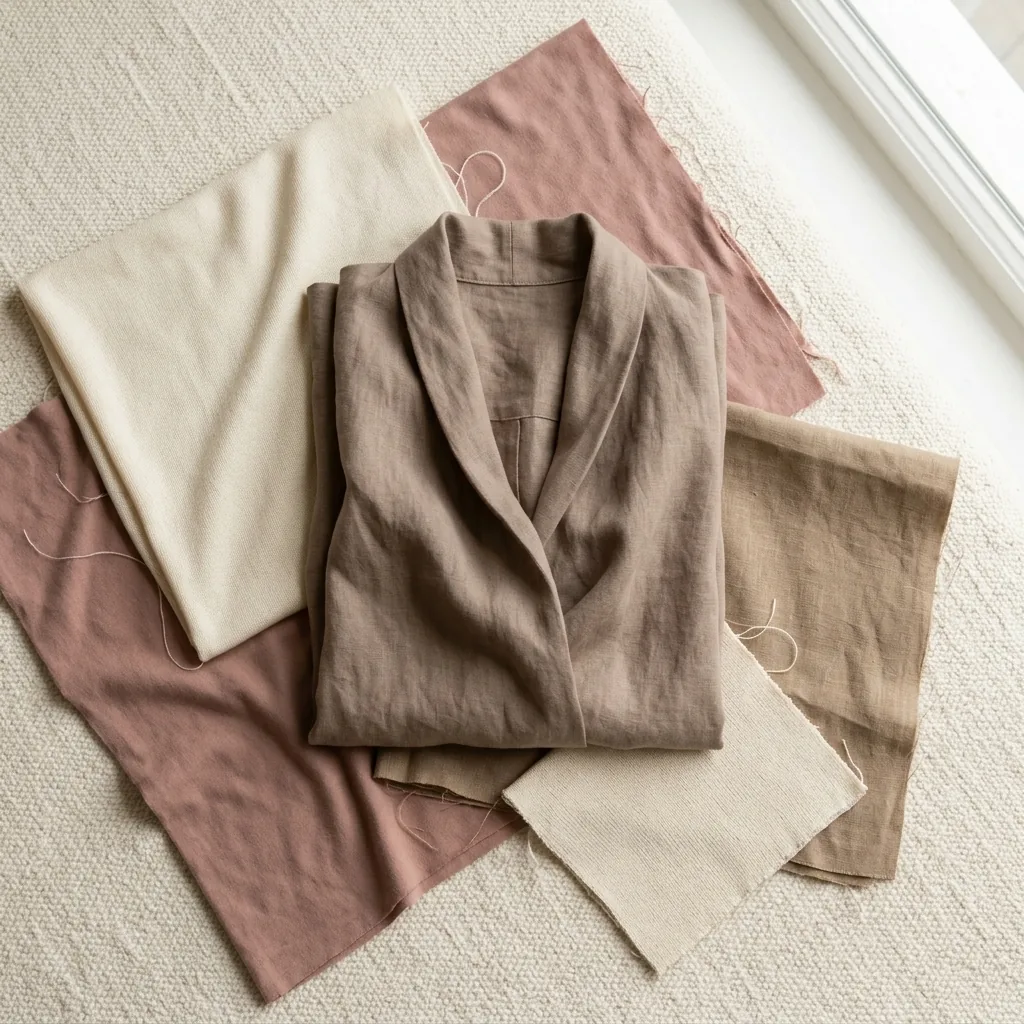
Soft Natural sits at a specific crossroads in the Kibbe system: yang-dominant bones softened by yin flesh. What that actually means on your body — moderately broad shoulders that slope rather than square off, a frame that reads “open” rather than sharp. Your bone structure has blunt edges, not angular ones. Skip that. It’s substantial without being imposing.
This matters because clothing that fights your bone structure will always look slightly wrong. Fair warning. A razor-sharp structured jacket introduces geometry your frame doesn’t echo. A flimsy, delicate fabric gets overwhelmed by your natural presence. You need clothes that match your energy: grounded, a little relaxed, with quiet authority.
Jennifer Lopez and Kate Winslet both carry this same structural quality — broad through the shoulder and upper body, but with rounded softness rather than hard angles. Neither one looks best in severe tailoring. Been there. Both shine in clothes that move.
Think of your bone structure as the foundation. Everything else — fabric, silhouette, color — should honor it rather than fight it.
2. Let Fabric Do the Heavy Lifting
This is the rule Soft Naturals most often get wrong. Fabric choice isn’t a finishing touch — it’s the whole point.
Across 459 Soft Natural reports in our database, bohemian and rustic textures rank as the top outfit theme at 39%, with soft draping close behind at 29% and silk blends at 23%. That’s not a coincidence. These fabrics work with the softness of your flesh and the gentle weight of your frame rather than working against it.
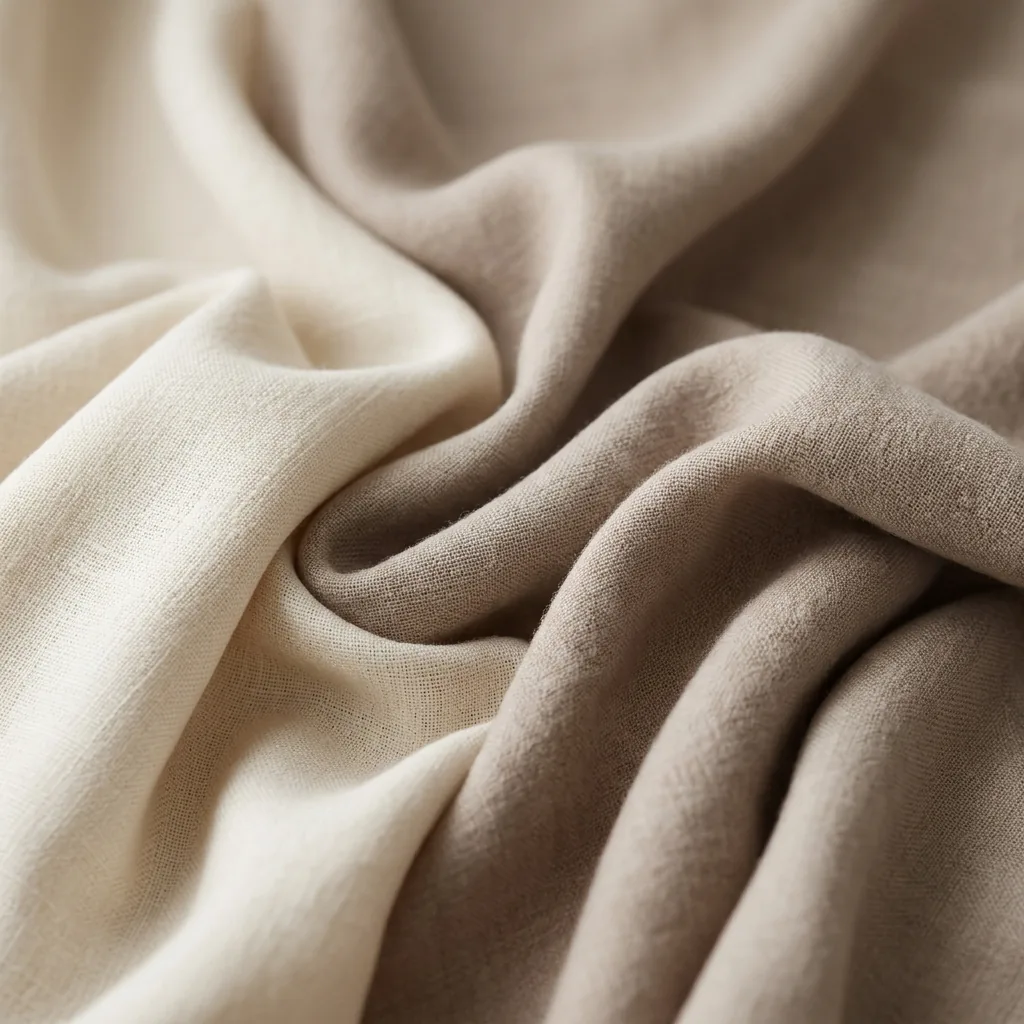
Your go-to roster: silk blends, soft cotton, lightweight wool, jersey. Depends. Fabrics that drape and move. A silk wrap dress on a Soft Natural body looks effortless in a way it doesn’t on sharper types — the fabric’s fluidity matches the body’s natural softness.
What to put back on the rack: anything with heavy interfacing, stiff canvas suiting, or sharp pleating. Been there. These fabrics create a costume effect, like you’re trying on someone else’s silhouette. A heavy structured trench coat in wool canvas? It’ll wear you. The same coat in a softer, slightly drapey wool blend? Completely different story.
3. Define the Waist — Softly
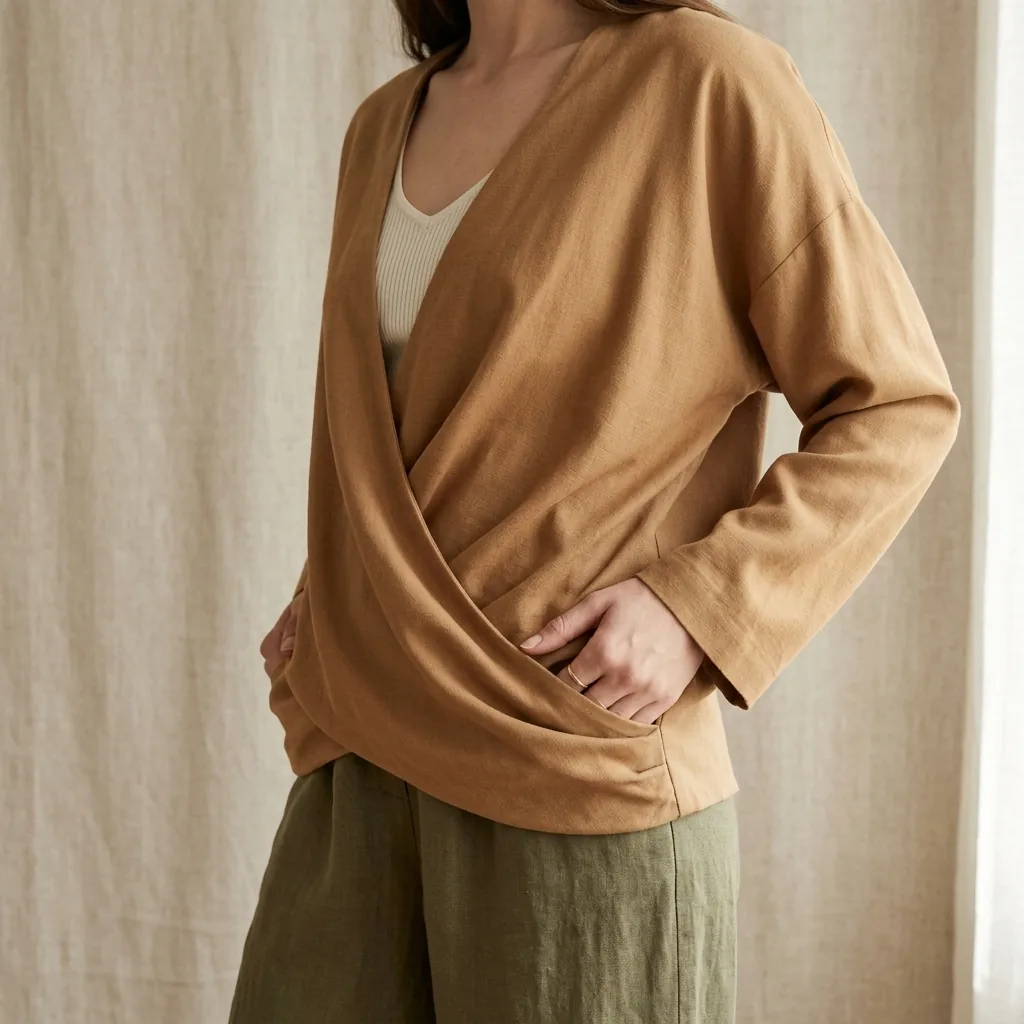
Here’s where a lot of Soft Naturals overcorrect. You have a softer hourglass shape — real curves, but rounded and gentle rather than dramatically defined — the instinct is often to either hide the waist entirely in boxy shapes or cinch it aggressively with stiff belts and fitted bodices. It tracks. Both approaches miss the mark. I’ve watched this exact mistake happen in dressing rooms more times than I can count.
What actually works: soft waist definition. Fair warning. A wrap dress. A wide, slightly soft belt in suede or woven leather — a blouse tucked loosely at the front. You want the suggestion of a waist, not a corset.
Drew Barrymore’s best looks are a masterclass in this — she consistently gravitates toward relaxed, slightly nipped silhouettes. Simple. Nothing sculpted, nothing shapeless. The waist is acknowledged without being the entire point of the outfit.
A reader from Portland, OR put it well after getting her analysis: “I thought I was one type until the analyzer showed Soft Natural. The outfit suggestions clicked immediately.” That click often happens right here — when the waist stops being a problem to solve and starts being something to gently work with.
4. Color and Pattern With Intention
Stark contrasts — think crisp black-and-white blocking, icy neons, ultra-high contrast prints — create visual tension on a Soft Natural frame — your coloring (and your overall aesthetic energy) tends toward warmth and softness even when your undertone skews cool. In our user data, 34% of Soft Naturals have cool undertones and 38% neutral, yet the colors that photograph best across the board remain warm earthy pastels, muted jewel tones, camel, dusty rose, and soft olive.
Why? True for most. Because the saturation level matters as much as the hue. A muted teal reads beautifully. An electric teal reads jarring. Peach, warm cream, dusty mauve — these don’t wash you out, they harmonize with the softness of your overall look (yes, really, even the warm pastels work on cool undertones).
For prints: florals with a slightly watercolor quality, abstract earthy patterns, irregular geometrics with rounded shapes. Anything that feels organic rather than mechanical. Same story. A bold graphic stripe in high contrast? It introduces a sharpness your frame doesn’t need. A flowing floral in warm terracotta tones? That’s your lane.
| Works Well | Avoid |
|---|---|
| Dusty rose, camel, soft olive | Stark black-and-white |
| Muted jewel tones | Icy neons |
| Warm earthy pastels | High-contrast graphic prints |
| Watercolor or organic prints | Rigid geometric patterns |
5. Hair and Makeup Reinforce the Whole Look
Style doesn’t stop at the collar. Soft Naturals have a specific sweet spot for hair and makeup that extends the same logic as their clothing — relaxed, warm, slightly effortless.
Hair shapes that work: soft waves, long layers with body, romantic shags. Depends. Scarlett Johansson’s signature tousled waves are practically a case study. The goal is movement and softness, not architectural precision. A severe blunt bob or extreme crop introduces the same geometric tension as a stiff blazer. It fights your natural energy rather than amplifying it.
Makeup follows the same principle. Soft, warm, blended. Skip that. A rose lip, dewy skin, softly feathered brow. Jessica Alba’s makeup in her best looks is never harsh — it’s always a little glowy, a little lived-in. Heavy contouring with sharp lines, high-contrast liner, or a very matte, flat finish tends to harden features that naturally read warm and rounded.
Think of hair and makeup as the final calibration. When everything — fabric, silhouette, color, and finish — speaks the same language, that’s when Soft Natural dressing looks truly effortless.
Frequently Asked Questions
Can Soft Naturals wear tailored pieces?
Yes, but choose soft tailoring — unstructured blazers in fluid fabrics, relaxed-fit trousers in lightweight wool. The key is avoiding stiff interfacing and sharp geometric construction. Relaxed suiting works. Boardroom-rigid suiting doesn’t.
Is Soft Natural the same as Soft Classic?
No. Soft Classic has a more symmetrical, moderate bone structure with less breadth. Soft Natural carries broader, blunter bones and a more relaxed, organic energy. The silhouettes and fabrics differ meaningfully between the two.
Do Soft Naturals have to wear bohemian styles?
Not at all. “Bohemian texture” is a fabric and finish quality, not a costume. A fluid silk blouse with wide-leg trousers reads polished, not hippie — it just uses the right materials for the frame.
What’s the biggest style mistake Soft Naturals make?
Choosing overly structured, geometric silhouettes hoping to “polish” the look. This creates visual conflict. Soft, draped shapes with relaxed waist definition consistently read more refined on this type.
Can Soft Naturals wear all-black outfits?
Yes, but texture and drape matter more. A monochromatic black look in soft jersey or silk reads well. The same look in stiff, flat fabric with sharp lines loses the softness that makes the type shine.
If you’re still unsure whether Soft Natural is your correct Kibbe type — or you want a full breakdown with personalized outfit recommendations — the analyzer at mykibbe.com/analyze/ cross-references your specific measurements and features against all 13 types. It’s the fastest way to stop guessing and start dressing with real clarity.
Editor’s Note
Eight years of editing style guides has taught me one thing the comment sections always reveal faster than any article can: the readers who struggle most with Soft Natural dressing aren’t ignoring the guidelines — they’re over-applying them. Of our 459 Soft Natural reports on this platform, 39% of the top texture responses point toward bohemian and rustic fabrics, yet the questions I see most often are about avoiding exactly those materials, as if “soft” means only silk and nothing rougher. There’s a quiet rigidity that creeps into Kibbe styling when people treat the type as a strict prescription rather than a conversation with their own body. The rules in this article are a starting point, not a ceiling — so what’s the one guideline here that felt most counterintuitive to you personally?
Okay so this article genuinely made something click for me! I’ve been shopping in Nashville for years and always wondered why flowy boho pieces looked *off* even though they seemed like they should work. Turns out I was picking fabrics that were too stiff. Starting this weekend I’m going to specifically hunt for draped jersey and soft linen instead of structured cotton. The part about avoiding boxy shapes — yes, that explains so much. Do you think wrap dresses count as the “soft waist definition” you mentioned, or is that to structured?